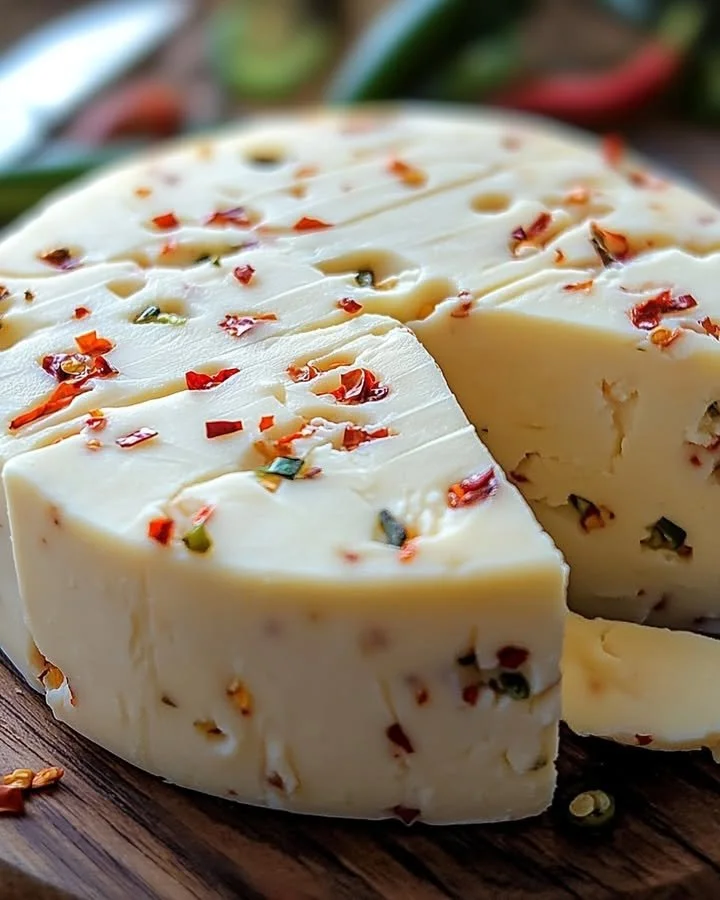
How to Make Pepper Jack Cheese at Home
The allure of homemade Pepper Jack cheese is undeniable. Imagine a warm kitchen filled with the transformative aromas of creamy, fresh milk mingling with the spicy scent of jalapeños and red pepper flakes. The sensation of crafting your own cheese is both rewarding and thrilling. This recipe is a step-by-step guide to making a rich, tangy pepper jack that will elevate any dish. Whether you’re celebrating a special occasion or simply indulging a personal craving, this cheese is sure to spark joy.
History / Fun Fact
Pepper Jack cheese has its roots in Monterey, California, where it was first crafted by Spanish settlers who infused traditional cheddar with spicy peppers. The addition of peppers was a delightful way to enhance the flavor and add a unique kick to the cheese. Over the years, Pepper Jack has grown in popularity, becoming a staple in meals around the world. Its creamy texture and spicy profile have made it a favorite for snacking, melting on a sandwich, or enhancing your favorite dish. The history of this cheese reflects the melting pot of cultures that shaped California’s culinary landscape, making it more than just a flavorful addition—it’s a piece of history.
Ingredients
Creating your own Pepper Jack cheese requires a handful of simple yet essential ingredients that are full of flavor:
- 1 gallon whole milk: Preferably raw or pasteurized, NOT ultra-pasteurized; it offers a creamy richness that’s hard to resist.
- 1/4 tsp mesophilic starter culture: This tiny amount carries the potential for mouthwatering tanginess.
- 1/2 tsp liquid calcium chloride: Especially needed when working with pasteurized milk, it helps restore the calcium balance, ensuring successful curd formation.
- 1/2 tsp liquid rennet: Diluted in 1/4 cup non-chlorinated water, it’s the magical ingredient that curdles the milk.
- 1 tsp non-iodized salt (cheese salt or kosher salt): This enhances flavor while promoting proper aging.
- 2 tbsp diced jalapeños: Fresh or pickled, they add a burst of heat and flavor that enchants the palate.
- 1 tbsp red pepper flakes: These bring a comforting warmth that harmonizes beautifully with the creamy cheese.
- 1 tsp black pepper: Optional, but it adds extra depth for spice enthusiasts.
With these ingredients, you’re not just making cheese; you’re creating a flavorful experience that will delight all your senses!
Cooking Time & Tips for How to Make Pepper Jack Cheese
Creating your own cheese is a delightful endeavor and can be done in either a quick or slow preparation style, depending on your available time and how hands-on you wish to be. The quick method can yield a fresh cheese ready to eat within a day, while the slow method allows for enhanced flavor development as the cheese ages.
For optimal success, consider these practical tips:
- Use high-quality milk: The better the milk, the richer your cheese will taste.
- Maintain temperature: Precision in heating the milk is crucial; invest in a good kitchen thermometer.
- Be gentle: Stirring too vigorously can disrupt the curds, so treat them with care.
- Patience is key: Allow the cheese to age for the best flavor development; it’ll be worth the wait!
Step-by-Step Directions
Heat the Milk: Start by pouring the gallon of milk into a large pot. Slowly heat it to 90°F (32°C), stirring gently. The gentle warmth fills the air with an inviting creaminess. Once at temperature, add the mesophilic starter culture, letting it sit for 2 minutes. Stir to mix thoroughly.
Add Calcium Chloride and Rennet: If you’re using pasteurized milk, stir in the calcium chloride now. Dilute the rennet in 1/4 cup non-chlorinated water, then gently stir it into the milk in an up-and-down motion for about 30 seconds. Cover the pot and let the milk set undisturbed for about 45 minutes until a firm curd forms.
Cut the Curd: With a long knife, cut the curd into 1/2-inch cubes. This act feels near-medicinal as the curds begin to separate. Let them rest for 5 minutes, then slowly heat them up to 105°F (40°C), stirring gently to prevent matting.
Drain the Curds: Line a colander with cheesecloth and pour in the curds, allowing whey to drain away. Stir in the salt, jalapeños, red pepper flakes, and black pepper, creating a tantalizing mixture.
Mold the Cheese: Transfer the curds into a cheese mold or lined container. Press with a weight of 8-10 lbs for 6-8 hours, flipping them halfway through to ensure even pressing.
Dry and Age: After pressing, remove the cheese from the mold and place it on a drying rack. Let it dry for 24 hours at room temperature. Once adequately dried, wrap the cheese and age it in the refrigerator for about 2-4 weeks, flipping it every few days to develop a more complex flavor profile.
Serving Suggestions & Occasions
When it comes to serving your homemade Pepper Jack cheese, the possibilities are as vast as your imagination. This cheese shines beautifully on a charcuterie board, paired with fresh fruits and robust crackers. Slice it thinly for a zesty addition to grilled sandwiches, adding a delightful melty texture and a kick of spice. Melt it over nachos for a satisfying snack or blend it into creamy dips for gatherings. Whether you’re hosting a festive occasion or enjoying a cozy night in, this cheese is sure to impress.
Common Mistakes for How to Make Pepper Jack Cheese
Homemade cheese is a labor of love, and potential pitfalls can lead to less-than-desired results. Here are some common mistakes to avoid:
- Using ultra-pasteurized milk: This type of milk lacks the proteins needed for the curd to form effectively. Choose raw or pasteurized milk instead.
- Forgetting to stir gently: Vigorous stirring can lead to broken curds; gentle motions are key.
- Not monitoring the temperature: Precision in the heating process is vital; use a thermometer for accuracy.
- Skipping aging: Allowing your cheese to age is what develops that rich flavor; impatience can lead to a bland result.
Healthier Alternatives & Variations
If you’re looking for healthier alternatives or variations to your Pepper Jack cheese, consider the following options:
- Dairy-Free Variant: Use a nut base, like cashews, blended with nutritional yeast and spices, to create a dairy-free version of spicy cheese.
- Different Peppers: Experiment with different types of peppers such as poblano or Anaheim for a unique flavor profile.
- Lower Sodium: Reduce the salt content if you need a lower-sodium option, but remember that salt plays an essential role in flavor and preservation.
FAQs
Can I use skim or low-fat milk?
For the best results, whole milk is recommended to achieve that creamy texture and rich flavor.How long does the cheese take to age?
Ideally, age it for 2-4 weeks in the refrigerator for optimal flavor development.What’s the best way to store my cheese?
Wrap it in wax paper or parchment and store it in an airtight container in the fridge.Can I use fresh herbs in the cheese?
Absolutely! Fresh herbs can add an aromatic twist to your homemade Pepper Jack.What can I substitute for rennet?
If you’re looking for a vegetarian option, consider using vegetable-based rennet or vinegar, but results may vary.Will the heat level change as it ages?
Yes, the flavor of the peppers may intensify as the cheese ages, giving it a richer, spicier kick.
Conclusion
As you stand in your kitchen, this journey of creating homemade Pepper Jack cheese enriches your culinary repertoire with flavor, history, and creativity. Each step you take in this recipe builds anticipation and excitement for the delightful cheese you will soon enjoy. With its creamy texture and spicy notes, this cheese is not just a dish—it’s a true labor of love that you can share with family and friends. Don’t hesitate; grab your ingredients today and embark on this enchanting cheesemaking adventure!
Pepper Jack Cheese
Ingredients
Main Ingredients
- 1 gallon whole milk Preferably raw or pasteurized, NOT ultra-pasteurized for creaminess.
- 1/4 tsp mesophilic starter culture Provides mouthwatering tanginess.
- 1/2 tsp liquid calcium chloride Especially needed when using pasteurized milk.
- 1/2 tsp liquid rennet Dilute in 1/4 cup non-chlorinated water.
- 1 tsp non-iodized salt (cheese salt or kosher salt) Enhances flavor and aids aging.
- 2 tbsp diced jalapeños Fresh or pickled for added heat.
- 1 tbsp red pepper flakes Adds warmth and flavor.
- 1 tsp black pepper Optional, for extra depth.
Instructions
Preparation
- Pour the gallon of milk into a large pot and heat to 90°F (32°C), stirring gently.
- Add the mesophilic starter culture and let it sit for 2 minutes before stirring to mix.
- If using pasteurized milk, stir in the calcium chloride now.
- Dilute the rennet in 1/4 cup non-chlorinated water and gently stir it into the milk for about 30 seconds.
- Cover the pot and let the milk set undisturbed for about 45 minutes until a firm curd forms.
- Cut the curd into 1/2-inch cubes and let them rest for 5 minutes.
- Slowly heat the curds to 105°F (40°C), stirring gently to prevent matting.
Draining and Molding
- Line a colander with cheesecloth and pour in the curds, allowing whey to drain away.
- Stir in salt, jalapeños, red pepper flakes, and black pepper.
- Transfer curds into a cheese mold or container and press with a weight of 8-10 lbs for 6-8 hours, flipping halfway.
Aging
- After pressing, remove the cheese from the mold and place it on a drying rack.
- Let it dry for 24 hours at room temperature.
- Wrap the cheese and age it in the refrigerator for 2-4 weeks, flipping it every few days.